HVAC Services: Your Satisfaction Is Our Main Concern
HVAC systems play an vital role in ensuring indoor comfort. They control air quality and temperature, impacting overall well-being. However, many homeowners ignore the signs of potential issues. Recognizing these signs is critical for effective management. Routine maintenance and timely repairs can stop larger problems down the line. But how does one find the right companies? The solutions may surprise you and could transform your indoor experience.
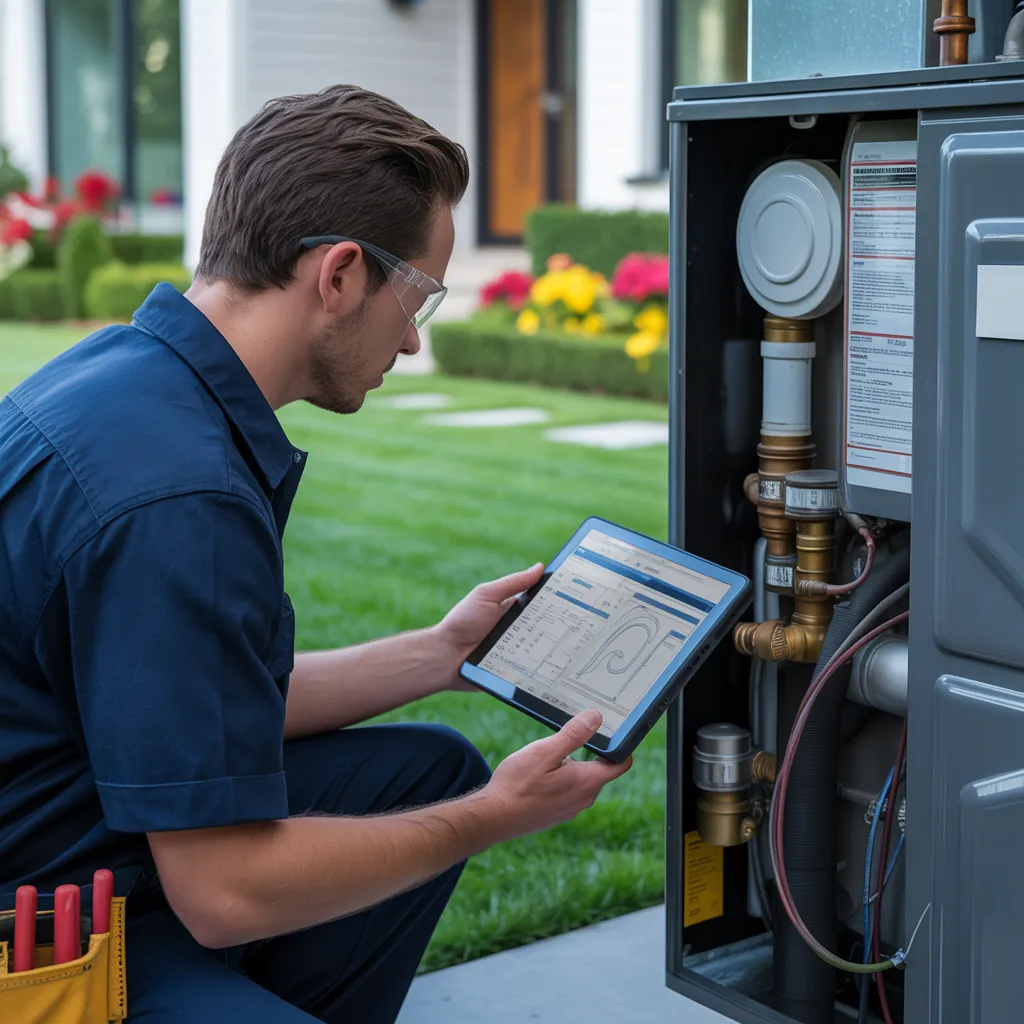
Why HVAC Systems Contribute to Your Comfort
HVAC systems serve a vital function in preserving interior climate control year-round. These systems regulate temperature, humidity, and air quality, guaranteeing a comfortable setting regardless of external weather conditions. In summer, air conditioning offers comfort from heat, while heating systems counteract the chill of winter. Proper ventilation is essential, as it removes stale air and introduces fresh air, which promotes overall well-being.
In addition, HVAC systems enhance energy optimization by optimizing energy use, resulting in minimized utility expenses. A consistently maintained system runs quietly and productively, curtailing interruptions in everyday life. The filtration components also prove essential in improving indoor air quality by capturing particles, allergens, and contaminants, benefiting breathing health. Therefore, a solid HVAC system is not only a comfort feature; it is a critical component for enhancing comfort, health, and energy efficiency within residential and commercial spaces.
Ways to Detect HVAC Malfunctions In Advance?
How can one identify HVAC malfunctions before they worsen? Early recognition is essential for maintaining a comfortable environment. One of the first indications of issues is unusual noises, such as banging or hissing, which may suggest mechanical failures. Additionally, inconsistent temperatures throughout the home can important resource suggest air duct problems or an malfunctioning thermostat. Homeowners should also be vigilant for offensive odors, which could indicate mold growth or electrical issues within the system.
A supplementary sign is a spike in energy bills. If costs escalate without notice, it may be attributable to the HVAC system straining than called for. Inspecting air filters regularly is necessary, as obstructed filters can compromise performance. In conclusion, condensation or leaks near the system can point toward refrigerant troubles or drainage concerns. Through noticing these signals, one can tackle HVAC issues swiftly, upholding peak performance and quality of life.
Vital HVAC Services for Your Home
In exploring essential HVAC services for homes, recognizing the significance of routine maintenance becomes critical. Additionally, efficiency improvements can significantly lower utility costs while improving comfort. urgent repair assistance are also essential, ensuring that homeowners can quickly address unexpected issues.
The Significance of Routine Maintenance
Regular upkeep is necessary for guaranteeing the long life and effectiveness of heating, ventilation, and air conditioning systems. Without scheduled check-ups, minor issues can develop into expensive repairs or replacements. Scheduled maintenance enables the professionals to inspect and clean components, ensuring optimal performance. This preventive approach not only extends the life of the equipment but also enhances indoor air quality by removing dust and allergens. Additionally, regular maintenance helps find potential problems before they affect system performance, offering homeowners peace of mind. Sticking to a maintenance schedule can also improve energy efficiency, resulting in reduced utility bills. Ultimately, investing in routine HVAC maintenance safeguards comfort and supports a healthier living environment.
Energy Conservation Upgrades
Energy efficiency enhancements remain an vital role in refining HVAC systems for homeowners. These modifications not only reduce energy consumption but also diminish utility bills, making them a excellent investment. Common upgrades include the installation of programmable thermostats, high-efficiency filters, and advanced insulation. Homeowners may also consider replacing outdated units with Energy Star-rated equipment, which offers improved performance and reduced environmental impact. Additionally, sealing ductwork can prevent energy loss, ensuring that conditioned air reaches its intended spaces. By implementing these upgrades, homeowners can maximize comfort levels while contributing to sustainability efforts. Ultimately, investing in energy efficiency not only benefits individual households but also promotes a healthier planet for future generations.
Critical Repair Services
When heating and cooling systems fail, prompt emergency repair services are critical for homeowners. These unforeseen failures can result in uncomfortable living conditions, especially during adverse weather. Experienced technicians are equipped to diagnose and address problems quickly, restoring comfort and safety to the home. Services usually include 24/7 availability, assuring help is always just a call away. Common emergencies involve malfunctioning air conditioners, heating failures, and refrigerant leaks, which, if left unattended, can escalate into more severe issues. Homeowners appreciate quick response times and expert solutions, reducing downtime and possible damage. Investing in reliable emergency repair services not only handles immediate concerns but also enhances the longevity and efficiency of HVAC systems. Emphasizing these services guarantees peace of mind year-round.
The Advantages of Routine HVAC Upkeep
Putting resources into consistent HVAC maintenance increases system efficiency and extends equipment lifespan. Regular assessments and tune-ups uncover possible issues before they turn into costly repairs. Throughout maintenance visits, technicians clean components, check refrigerant levels, and confirm that all parts are working at peak performance, which can produce reduced energy bills and improved indoor air quality.
In addition, frequent upkeep can help copyright warranty coverage, as many manufacturers necessitate proof of consistent care. Homeowners benefit, knowing their HVAC systems are less likely to experience failure unexpectedly. This proactive approach not only maintains comfort but also adds to a healthier living environment.
Ultimately, the importance of ongoing HVAC maintenance lies within its skill to minimize interruptions, strengthen performance, and preserve funds in the long term. By focusing on upkeep, individuals can ensure their HVAC systems work optimally for years into the future.
What Approach Should You Take to Find the Best HVAC Services?
How would you establish the best HVAC options on offer? First, potential clients should ask for recommendations from friends, family, or online reviews to evaluate satisfaction levels. A reputable company often exhibits a history of excellent reviews. Next, one must check credentials; licensed and insured technicians reflect professionalism and adherence to safety standards. Reviewing the range of services offered is vital; the best providers should include installation, maintenance, and repairs.
Furthermore, obtaining several estimates enables for comparison of pricing and services, ensuring transparency. It is also prudent to ask about warranties and guarantees, which reflect the company's trust in its work. Finally, responsiveness to questions can signal a company's dedication to customer service. By considering these factors, individuals can reach an well-informed decision, guaranteeing comfort and reliability in their HVAC system.
Boosting Indoor Air Quality With HVAC Solutions
Choosing the right HVAC services not only improves comfort but can also greatly impact indoor air quality. A well-maintained system guarantees proper ventilation and filtration, reducing pollutants such as dust, allergens, and mold spores. HVAC professionals often suggest high-efficiency particulate air (HEPA) filters, which trap microscopic particles more effectively than standard filters.
Routine maintenance, including cleaning ducts and inspecting for leaks, is important for maximum operation. This proactive method stops the buildup of pollutants that can impact air quality. In addition, state-of-the-art HVAC solutions such as air purifiers and dehumidifiers can substantially reduce dangerous particles and humidity content, promoting a healthier indoor environment.
Regularly Posed FAQs
What Is the Average Lifespan of an HVAC System?
An HVAC system's average lifespan typically ranges from 15 to 25 years, determined by factors including servicing, usage, and the system's quality. Regular upkeep can substantially extend its operational longevity.
How can I determine if my system is energy efficient?
To determine if a system is energy efficient, one should check its SEER rating, assess energy bills over time, and consider professional evaluations. Also, regular upkeep can enhance efficiency and performance considerably.
Can You Obtain Financing Solutions for HVAC Services?
Many HVAC companies provide financing options, including installment plans and credit programs. These options enable customers to handle costs effectively, enabling it easier to invest in necessary services while maintaining comfort and efficiency in their homes.
Is it feasible for me to install an HVAC system personally?
Installing an HVAC system on your own is possible but often not advised. Professional installation ensures safety, adherence to regulations, and maximum system efficiency. People with no experience may confront difficulties that could cause expensive mistakes and inadequate operation.
What Are the Indicators I Need a New HVAC System?
Indicators highlighting the need for a new HVAC system include frequent breakdowns, mounting utility bills, erratic temperature levels, unusual noises, and age exceeding 10-15 years. These factors suggest inefficiency and risk of breakdown, warranting replacement deliberation.